







Local life and culture in the Ionian Islands
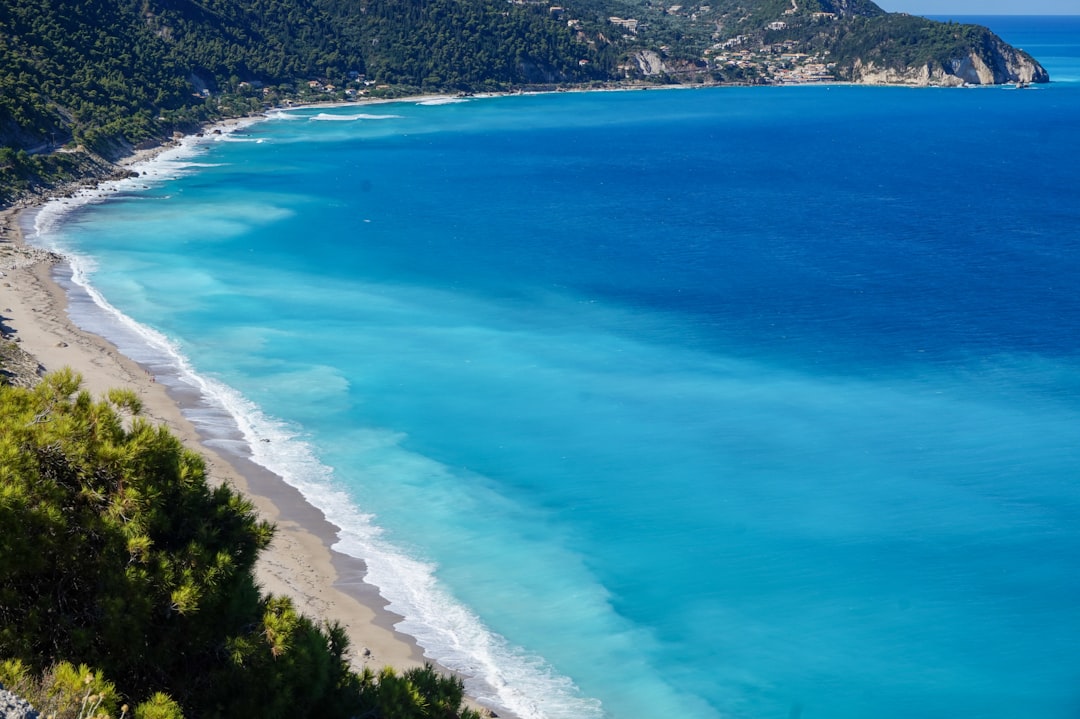
The Ionian Islands are a patchwork of emerald coves, Venetian façades and lively villages where tradition hums in the streets. In this piece je present the rhythms of everyday life: the loud, communal joy of panigyria (village festivals), the slow intimacy of the cafeneio culture, and the aromas of local cuisine that tie families and visitors together. I invite vous to discover how festivals, food and routine form the backbone of Ionian identity.
Festivals, Panigyria and Religious Celebrations in the Ionian Islands
The role of panigyria in island social life
Panigyria are more than festivals: they are communal anchors. Typically linked to a saint’s feast day, a panigyri brings together neighbors, relatives and visitors for an entire evening—often spilling into dawn. Je have attended small hamlet celebrations where the main street transforms into a dance floor, and large island feasts like the Saint Spyridon celebrations in Corfu draw deep devotion, processions and fireworks. These events reinforce local bonds and transmit customs through shared ritual.
Music, dance and the Venetian legacy
Music at Ionian festivals reflects the islands’ Italianate past. On Corfu you’ll hear kantades—serenades carried by mandolins—while mainland-influenced dances keep feet moving from village to village. Live folk bands, accordion players and singers create an atmosphere where elder and child join the same circle. When je describe this soundscape, what stands out is the seamless mix of religious ceremony and unbridled dancing.
Cafeneio Culture: Daily Social Hubs and Conversation
The kafenio as public living room
The cafeneio (kafenio) is the island’s social hearth. Mornings see fishermen and farmers sharing strong Greek coffee, the afternoon hosts retirees playing tavli (backgammon), and evenings often turn lively with debates about football or politics. These small cafés act as information nodes—you learn the day’s weather, boat arrivals, wedding dates, local gossip—over a cup of kafé or a shot of tsipouro.
Rituals of hospitality and slowing down
Cafeneio etiquette values presence. People linger. Time is elastic. Je notice that the act of sitting, listening and returning the same greeting day after day builds trust. If vous want to connect with locals, start a routine: visit the same kafeneio, learn a few names, accept an invited coffee. Conversations may be brief, then suddenly deep—an island skill passed across generations.
Local Cuisine: Corfiot Classics and Island Flavors
Signature dishes and seasonal cooking
Ionian cuisine is a fusion: Greek staples meet Venetian and Mediterranean influences. Corfu’s pastitsada (slow-braised meat with pasta and spiced tomato sauce) and sofrito (veal in wine-garlic sauce) are hearty examples. On smaller islands you’ll taste bourdeto (spicy fish stew) and bianco, a lighter fish preparation with lemon and olive oil. Seasonal produce—wild greens, citrus, and the Corfiot kumquat—shapes menus and liqueurs alike.
Home cooking, tavernas and communal feasts
Meals are social acts. Families cook for panigyria, and tavernas respond with generous platters designed for sharing. Je recommend arriving hungry to experience the full ritual: meze, main course, sweet raki or kumquat liqueur to close the evening. Food is a language of welcome; through it vous understand island values—hospitality, abundance and respect for local ingredients.
Everyday Rhythms: Markets, Sea Work and Seasonal Shifts
Daily routines: market mornings and siesta-style afternoons
Daily life follows a clear beat. Mornings are for markets and the sea—fishermen leave at first light, while villages bustle with produce stalls. Afternoons quiet down; shops may close and life moves indoors. Evenings come alive again: families stroll the promenade, children play, elders gather at the kafeneio. Tourism stretches these rhythms in summer, yet the islands retain core patterns that shape community time.
Work, migration and preserving local practices
Younger generations often balance island traditions with mobility—seasonal tourism work or studies abroad. Despite that, many return for festivals or weekends, keeping customs alive. Je see craft revival projects, cooking classes and music schools that actively transmit heritage, blending continuity with adaptation.
- Panigyria: communal feasts that unite religion, music and dance
- Cafeneio: daily social hub where information and friendships form
- Cuisine: local dishes like pastitsada, bourdeto and kumquat liqueur
- Daily rhythm: market mornings, quiet afternoons, lively evenings
- Tradition transmission: music, dance and family-centered rituals
How Local Life Shapes the Ionian Experience
The Ionian Islands offer a layered experience where festivals, cafeneio culture and local cuisine form a living network of memory and belonging. Je have seen how a single panigyri can stitch scattered families back together, how a daily coffee ritual anchors an elder’s day, and how a shared plate at a taverna teaches more about the islands than any guidebook. If vous seek authenticity, attend a feast, sit in a kafeneio and taste the local specialties—these are the moments that reveal the true rhythm of Ionian life.
For practical details—ferry timetables, island guides, accommodation options and seasonal event calendars that help time a visit to a panigyri or a favourite kafeneio—see ionian-island.co.uk.