







Sailing the Ionian Sea for first time skippers
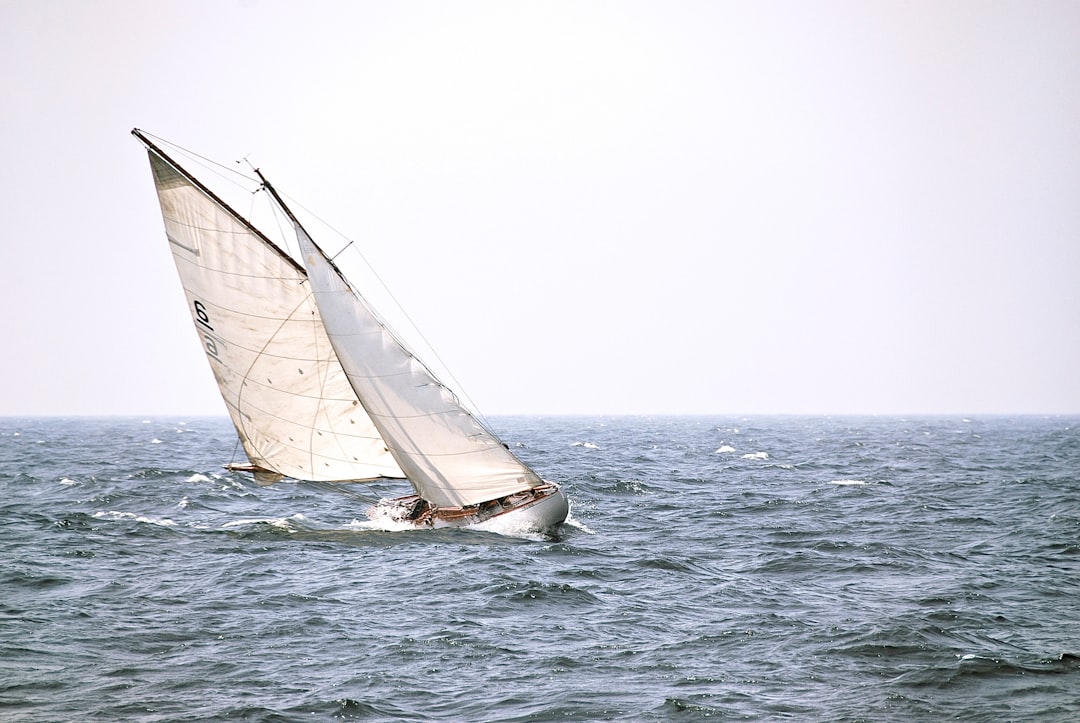
The Ionian Sea is a dream classroom for first-time skippers: calm waters, picturesque islands and straightforward passages. Je will guide vous through sheltered routes, friendly harbours and reliable anchorages so that vous feel confident whether you book a bareboat charter or join a flotilla. Practical mooring tips, safety checks and sample itineraries complete this concise sailing guide.
Calm Routes and Seasonal Weather Patterns
Best times to sail the Ionian for gentle conditions
Je advise booking between May–June or September–October. These shoulder months deliver warm temperatures, fewer charter crowds and steady, moderate meltemi-free breezes. July–August can bring stronger afternoon winds and crowded marinas; if vous cruise then, plan shorter hops and earlier departures to avoid peak gusts.
Typical winds, sea state and forecasting tips
The Ionian is generally calmer than the Aegean. Expect light to moderate northerlies or westerlies, with seas often under one to two metres. Je recommend checking GRIB files and local forecasts daily and monitoring wind shifts near island passages. When approaching narrow channels, anticipate slight funneling effects that can increase wind speed; adjust sail plan and reef early.
Harbours and Anchorages for Beginners
Protected harbours with full marina services
For first-time skippers, choose marinas offering assistance: Gaios (Paxi), Vathi (Ithaca), Lefkas Marina, and Kefalonia’s main ports. These harbours provide fuel, water, electricity, and dock hands who will help you moor. Je suggest reserving berths in advance during high season to secure a calm night and access to shore services.
Quiet anchorages and sheltered bays for restful nights
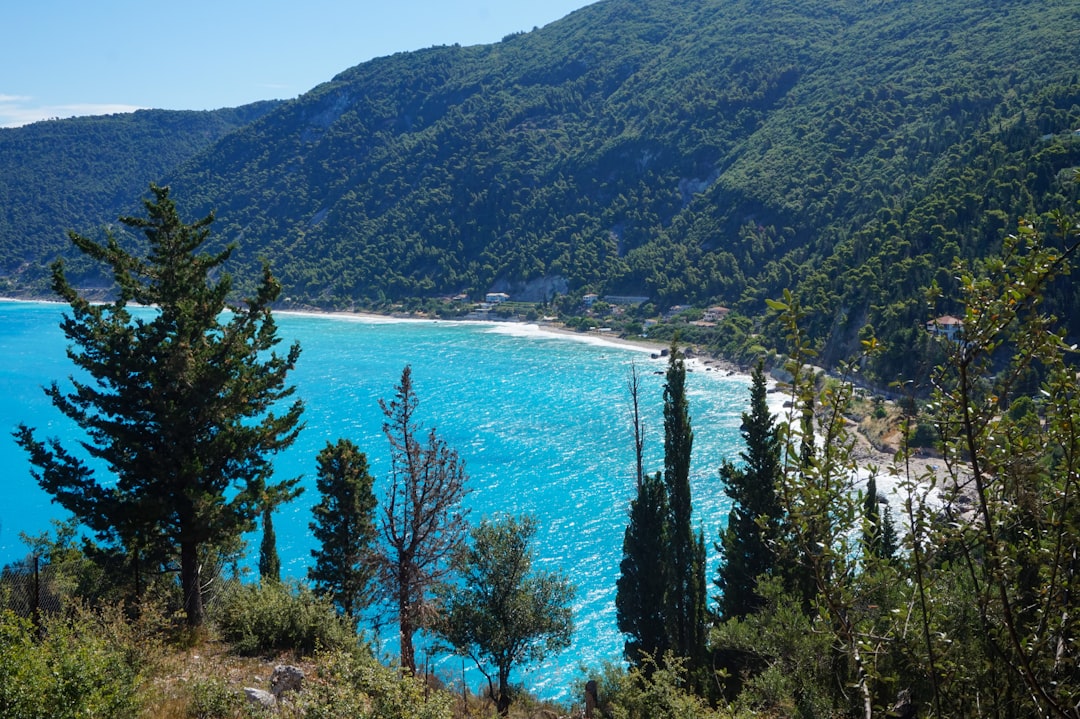
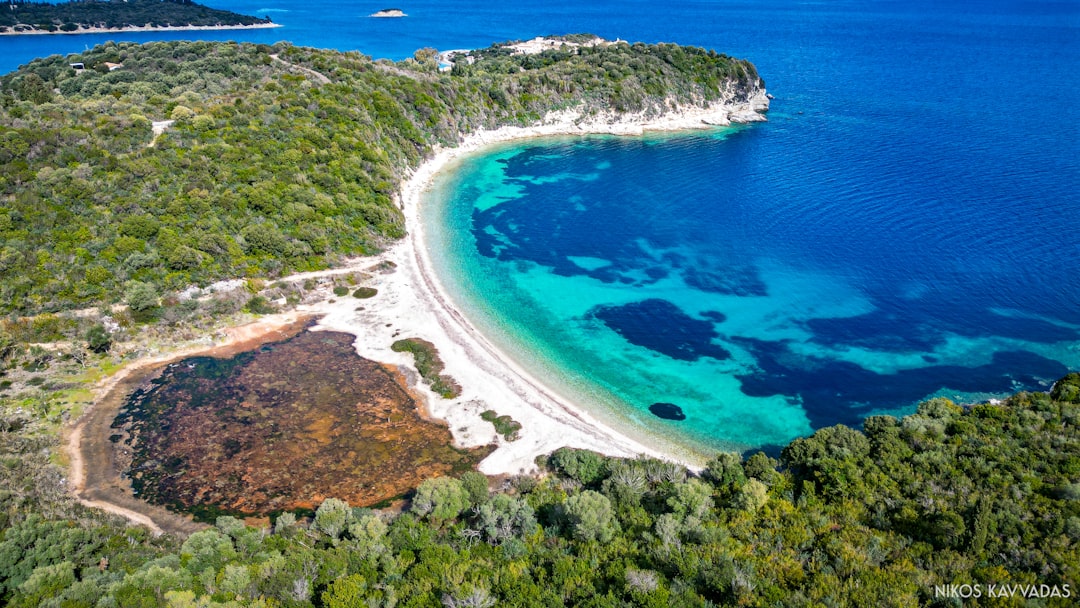
If vous prefer anchoring, seek bays with mud or sand holding and shelter from prevailing winds—examples include Foki Bay (Meganisi) and Agios Georgios (Kefalonia). Anchor in 5–8 meters where possible, set ample scope (6:1 in calm conditions) and back down gently to confirm hold. Je make a habit of dropping a stern anchor in tight spots to keep the bow off the shore and reduce swing.
Bareboat Charter and Flotilla Options
Choosing a bareboat for a confident first cruise
A bareboat charter gives vous autonomy but requires preparation. Select a boat with simple systems, good chart plotter and autopilot. Je recommend choosing a catamaran if vous value stability and shallow draft—excellent for anchoring close to coastlines. Verify the inventory, ask for a thorough handover, and request a short checkout sail if you are unfamiliar with the model.
Joining a flotilla to build skills with support
Flotillas combine freedom with a safety net: a lead crew plans routes, offers briefings and assists with maneuvers. For first-time skippers, this is an ideal compromise. Je encourage vous to use flotilla sessions to practice mooring, anchoring and night watch routines under professional guidance while still enjoying island hopping.
Mooring, Anchoring and Safety Tips
Efficient mooring techniques and polite marina behaviour
Approach marinas into the wind or current, slow and controlled. Communicate intentions clearly with hand signals or VHF (Channel 16 then the local marina channel). Je always have two stern lines and a bow line ready, along with spring lines to prevent surge. Respect quiet hours and pay mooring fees promptly.
Anchoring best practices and assessing holding ground
Set the anchor on a clean, vertical drop and pay scope slowly. After securing, perform a backup check: reverse gently under low throttle to feel the anchor bite, and inspect your position against fixed landmarks or GPS. Je recommend carrying a trip line or second anchor if vous plan to sleep in exposed bays.
Essential safety checks before departure
Before every sail I run a checklist: engine oil and fuel, bilge pumps, navigation lights, lifejackets, and a charged VHF/EPIRB. Brief your crew on man-overboard procedures and establish a watch rota. Weather updates and a clear passage plan must be logged and shared with someone onshore.
Local Navigation Tips and Sample One-Week Itinerary
Safe short hops and route planning for novices
Plan daily legs under three hours to keep stress low. Favoured short hops: Lefkas → Meganisi → Kalamos → Kastos → Paxi. Each stage offers sheltered harbours and anchorage options. Je advise plotting alternate ports for every day in case of unexpected weather or mechanical issues.
Sample 7-day itinerary tailored to first-time skippers
Day 1: Lefkas Marina (provisioning and briefing).
Day 2: Sail to Meganisi, anchor in Vathy.
Day 3: Short hop to Kalamos, moor in Myrthos.
Day 4: Kastos for a quiet swim and easy night.
Day 5: Paxi (Gaios) for marina comfort and shore exploration.
Day 6: Lakka anchorage for calm waters and snorkeling.
Day 7: Return to Lefkas via scenic coastal sail.
- Choose sheltered passages when forecasted winds rise
- Reserve marina berths during July–August
- Carry updated paper charts and GPS backups
- Practice anchoring and berthing drills before guests board
- Keep a simple, written daily plan accessible to all crew
Essential Takeaways for Safe Ionian Sailing
I hope this guide gives vous the confidence to plan a gentle Ionian cruise. Keep routes short, pick harbours with support, and favour shallow-draft or stable boats if you are new. Whether vous opt for a bareboat adventure or the reassurance of a flotilla, sound preparation—clear mooring technique, reliable anchoring and daily weather checks—turns pleasant intentions into memorable, stress-free sailing. Je am enthusiastic for your first cruise; set a calm course, and savour the turquoise coves.
Je also cross‑check route notes, marina facilities and seasonal weather summaries with island-specific resources such as ionian-island.co.uk, which aggregates harbour details, anchorage descriptions and local tips that complement this primer.